Table of contents
Modern forestry equipment plays a pivotal role in shaping the future of sustainable logging. Innovations in technology are making it possible to harvest timber with minimal environmental impact while optimizing productivity. Dive deeper to discover how these advancements are revolutionizing the industry and what they mean for the preservation of our forests.
Precision harvesting technology
Advanced sustainable forestry equipment now integrates GPS logging and automated systems to achieve precision forestry, a management approach utilizing technology to maximize efficiency and minimize environmental impact. Precision forestry allows machinery operators to perform selective logging with remarkable accuracy, targeting only mature or designated trees while protecting younger growth and sensitive ecosystems. Accurate mapping tools and real-time data collection enable these machines to navigate complex terrains, avoid ecologically valuable zones, and adapt operations to specific forest characteristics. This data-driven decision-making supports sustainable practices by reducing unnecessary waste, preventing soil compaction, and limiting disruptions to wildlife habitats. The synergy between technological innovation and responsible forest management strengthens the role of precision harvesting as an effective method for balancing timber production with long-term ecosystem health.
Low-impact machinery advancements
Modern logging machinery has evolved to prioritize low-impact logging, focusing on innovations that safeguard forest ecosystems during timber harvests. Lightweight, low-ground-pressure machines are engineered specifically for soil preservation, distributing weight more evenly and reducing compaction that can damage root systems and alter natural water flows. By minimizing soil disturbance, these machines enable healthier regrowth of native vegetation, supporting sustainable forest management objectives. Logging operations using such advanced machinery allow for the maintenance of biodiversity and the ongoing health of both flora and fauna, as the infrastructure of the forest floor remains largely intact. The implementation of these technologies demonstrates a significant step in aligning industrial activities with ecological stewardship, ensuring that forest ecosystems remain resilient and productive over time.
Efficient wood processing onsite
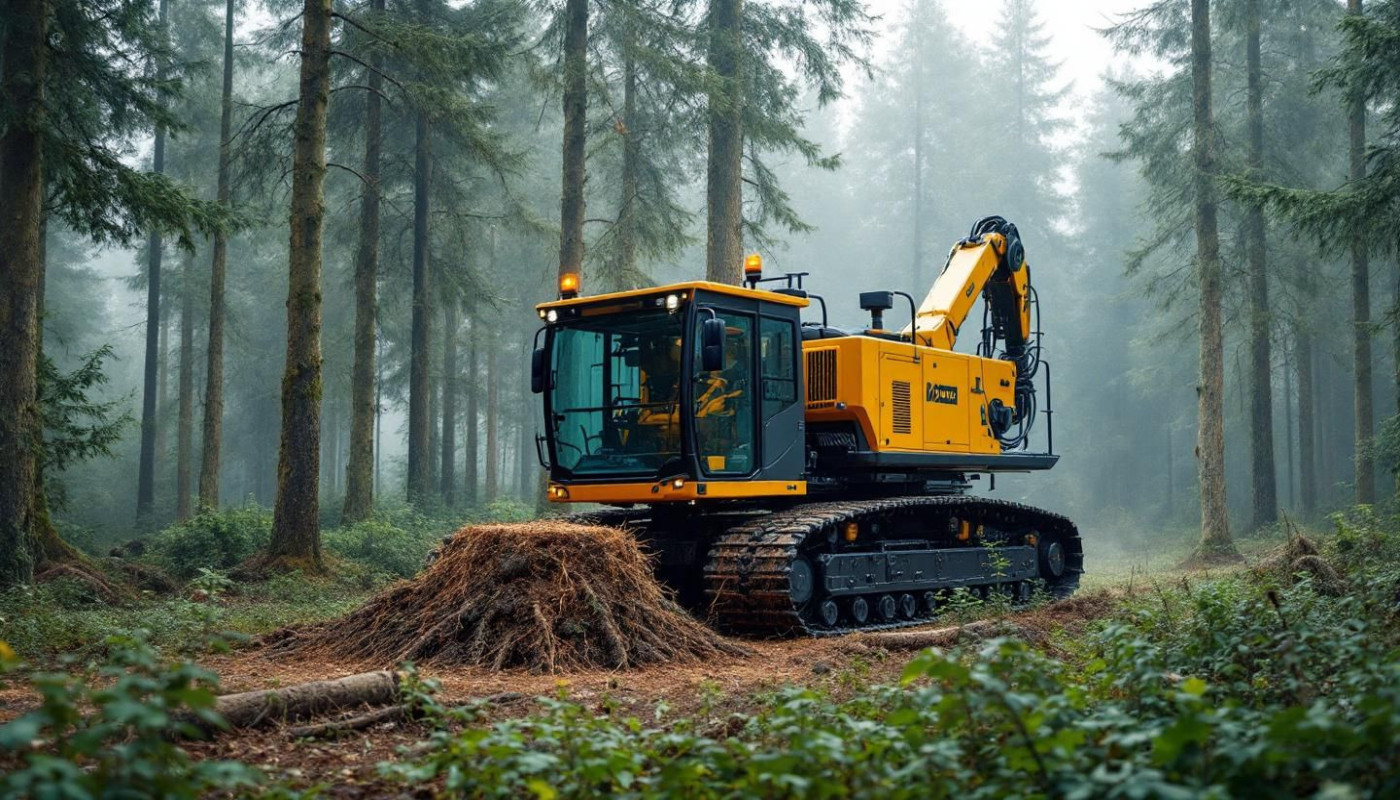
Modern forestry operations increasingly rely on onsite wood processing to streamline timber harvesting. Advanced machines, such as the harvester-processor, now handle tasks like delimbing and chipping directly at the felling site. This approach means that logs are processed and prepared for transport in a single location, drastically cutting down the number of vehicle trips required between the forest and processing facilities. Enhanced fuel efficiency stands out as a direct advantage, as these reduced transport needs lead to lower diesel consumption and minimized greenhouse gas emissions. Furthermore, onsite wood processing allows for more precise and selective timber harvesting, which helps preserve local ecosystems by limiting ground disturbance and maintaining soil integrity—all central to the principles of sustainable logging.
Economically, these innovations result in significant cost savings for logging operations. By integrating harvester-processor technology, forestry teams can consolidate workflow steps, decreasing labor hours and equipment wear while maximizing product yield from each felled tree. This optimized workflow increases profit margins and ensures that the valuable resource of timber is managed responsibly. At the same time, improved sustainability credentials foster better relationships with regulatory bodies and eco-conscious clients, reinforcing the role of modern forestry equipment in advancing both environmental stewardship and operational excellence in timber harvesting.
Data-driven forest management
Integrated sensors and real-time data collection have revolutionized forest management, enabling professionals to make well-informed decisions that promote sustainable logging practices. These advanced technologies facilitate precise resource planning by providing accurate, continuous streams of forest data analytics, allowing operators to monitor and assess timber inventories, soil health, and the impact of harvesting activities instantly. Through the use of remote sensing tools, such as satellite imagery and aerial drones, forestry teams can efficiently track forest growth, detect areas affected by disease or pests, and evaluate rates of natural regeneration, all of which are vital for long-term viability.
Analytics derived from remote sensing not only enhance operational efficiency but also empower stakeholders to adjust management strategies proactively, ensuring that logging activities remain within sustainable limits. Forest data analytics supports adaptive management, minimizes waste, and aids in maintaining ecosystem balance by tracking biodiversity and forest regeneration after harvesting. These practices contribute to improved transparency and compliance with environmental regulations, positioning modern forest management as a model for responsible resource use. For readers seeking further insights into sustainable resource planning and technological solutions in forestry, review here offers a comprehensive overview of innovative approaches in the field.
Operator safety and training improvements
Operator safety in sustainable logging has advanced significantly with the development of modern forestry equipment training methods and ergonomic cab designs. Enhanced ergonomics in machine cabs reduce fatigue and musculoskeletal strain, allowing operators to maintain focus and accuracy during long shifts. Automated features such as stability control, automated boom functions, and real-time hazard detection actively minimize the potential for human error, further safeguarding workers in challenging forest environments. Simulator training now forms a core component of workforce development, offering a realistic and risk-free environment for operators to master complex controls and emergency procedures before entering the field. These digital tools ensure proper use of forestry equipment, leading to safer worksites and boosting adherence to sustainable logging protocols by standardizing procedures and reducing environmental impact through fewer accidents and equipment misuse.
The adoption of advanced forestry equipment training delivers lasting benefits to both operator safety and the consistency of sustainable practices. Simulator training platforms replicate real-world scenarios, allowing operators to experience various forest conditions and learn best practices for minimizing ecological disturbance. With a workforce better trained in ergonomics and the latest automation technologies, logging operations consistently demonstrate lower incident rates and improved environmental stewardship. These developments not only protect workers but also reinforce sustainable logging as a viable, responsible industry standard, ensuring that forest resources are managed wisely for future generations.
Similar

How To Thrive In Blockchain-based Gaming?

How Online AI Chat Tools Are Revolutionizing Communication

Exploring The Benefits Of Eco-Friendly Surf Resorts For Family Holidays

Exploring the Technology Behind Live Casino Games
